

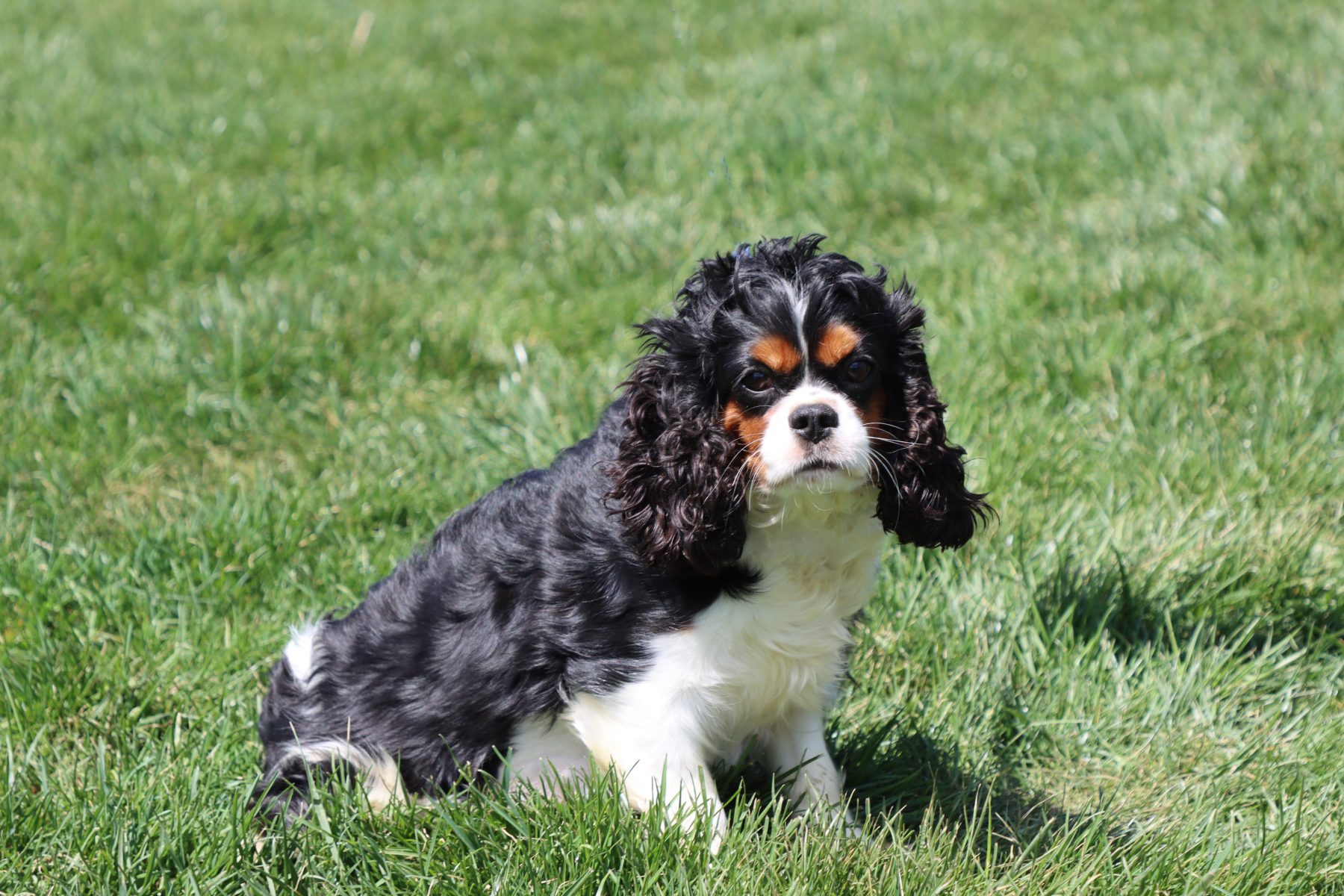
Training is one of the most rewarding parts of bringing home a Cavalier King Charles Spaniel puppy. These affectionate, intelligent dogs enjoy spending time with their families and are often eager to please, making them excellent candidates for positive reinforcement training.
Rather than focusing on correcting unwanted behaviors through punishment, positive reinforcement rewards your puppy for making good choices. This approach helps build trust, encourages learning, and creates a stronger bond between you and your Cavalier.
What Is Positive Reinforcement?
Positive reinforcement simply means rewarding a behavior you want to see again. When your puppy sits on command, goes outside to potty, or walks politely on a leash, they receive something they enjoy, such as:
- Small training treats
- Verbal praise
- Gentle petting
- A favorite toy
- A short play session
Over time, your puppy begins to associate those behaviors with positive outcomes and is more likely to repeat them.
Why Cavaliers Respond So Well
Cavalier King Charles Spaniels are known for their gentle, people-oriented personalities. They generally enjoy interacting with their owners and often respond enthusiastically to praise and encouragement.
Because they are sensitive dogs, harsh corrections or inconsistent discipline can sometimes create confusion or make training less enjoyable. Positive reinforcement helps your Cavalier feel confident while encouraging them to continue learning.
Training becomes something they look forward to instead of something they fear.
Keep Training Sessions Short and Fun
Young puppies have short attention spans. Instead of expecting long training sessions, aim for five to ten minutes at a time.
Practicing one or two simple commands each session helps prevent frustration while keeping your puppy engaged. Ending on a successful note also helps build confidence for the next lesson.
Short, consistent sessions throughout the day are often much more effective than one long training period.
Reward Good Behavior Every Day
Training does not only happen during formal practice sessions. Everyday routines offer plenty of opportunities to reinforce good behavior.
Reward your Cavalier when they:
- Come when called
- Sit politely before meals
- Wait calmly at the door
- Go potty outside
- Settle quietly in their crate
- Choose an appropriate toy instead of chewing household items
These small moments quickly add up and help your puppy understand what behaviors are expected.
Be Consistent With Everyone in the Household
Consistency is one of the biggest keys to successful training. If one family member allows jumping while another discourages it, your puppy will have a harder time understanding the rules.
Try to use the same commands, rewards, and expectations throughout the household. A consistent routine helps your Cavalier learn more quickly and reduces confusion.
Building a Lifelong Bond
Positive reinforcement is about more than teaching commands. It helps create trust, confidence, and open communication between you and your puppy. As your Cavalier grows, those early positive experiences become the foundation for a happy, well-mannered companion.
With patience, consistency, and plenty of encouragement, training can become one of the most enjoyable parts of life together.
Ready to Welcome a Cavalier Into Your Family?
At Carlisle Cavaliers, we have been raising Cavalier King Charles Spaniels since 2003 with a focus on health, temperament, and early socialization. All of our parent dogs are AKC registered and health tested, including OFA heart and patella certifications, along with testing for Dry Eye Curly Coat Syndrome, and Episodic Falling. Our puppies also come with AKC limited registration and a one-year health guarantee for added peace of mind.
If you’re looking for a healthy, well-socialized Cavalier King Charles Spaniel puppy, we’d love to help. Contact us to learn more about our available puppies and upcoming litters.
Leave a Reply