

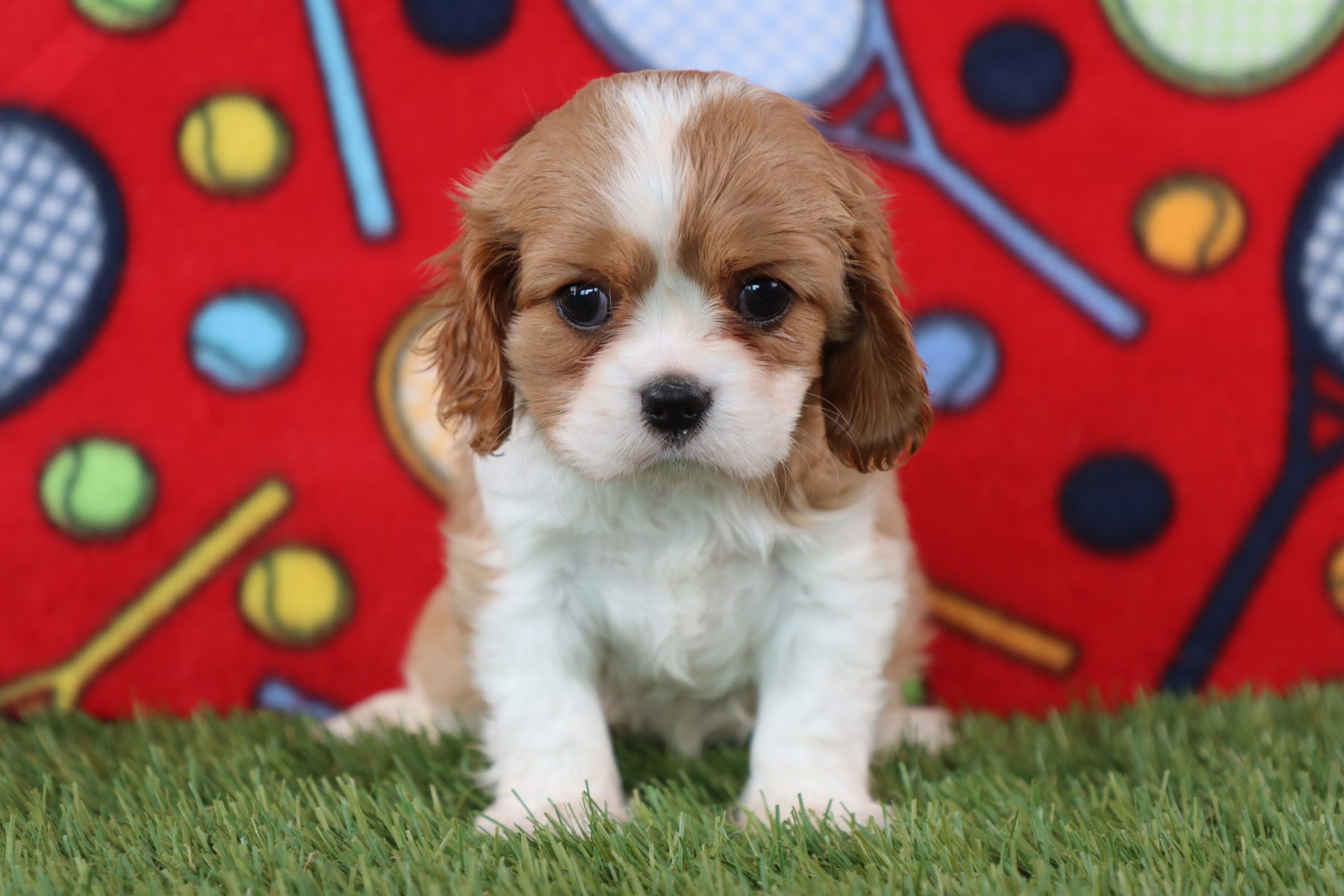
Crate training can be a valuable part of raising a Cavalier King Charles Spaniel, but it works best when it respects the breed’s gentle, people-focused nature. Cavaliers are known for their affectionate personalities and strong desire to be close to their families. Because of this, crate training should always feel safe and comforting, not strict or isolating.
When introduced properly, a crate becomes a familiar space where your Cavalier can relax, nap, and feel secure.
Why Crate Training Works Well for Cavaliers
Cavaliers thrive on routine and predictability. A crate helps establish a healthy structure during puppyhood and beyond. It can also support potty training, reduce anxiety, and prevent unsafe behaviors when your puppy cannot be supervised.
Crate training can help:
- Encourage consistent potty habits
- Create a calm place for rest and sleep
- Prevent chewing or mischief when you are away
- Support travel and overnight routines
Because Cavaliers form strong emotional bonds, the crate should always be associated with comfort and calm.
Choosing the Right Crate Setup
Your Cavalier’s crate should be large enough for them to stand up, turn around, and stretch out comfortably. Avoid oversized crates, as too much space can feel overwhelming and may interfere with potty training.
Place the crate in an area where your puppy can still feel connected to daily life. Cavaliers do best when they are near their people, not tucked away in a quiet corner of the house.
Inside the crate, include:
- A soft bed or mat
- A light blanket for warmth
- One safe chew or comfort toy
The goal is to make the crate feel like a personal retreat.
Introducing the Crate the Right Way
Start slowly and let your Cavalier explore the crate on their own. Keep the door open at first and place treats or toys inside to encourage curiosity. Speak calmly and positively during this stage.
Once your puppy is comfortable entering the crate, close the door for short periods while you remain nearby. Gradually increase the time as your Cavalier learns to relax and settle. Patience is key, especially with a breed that is sensitive to changes in routine.
Building Confidence Through Routine
Cavaliers respond well to consistency. Using the crate at the same times each day helps your puppy understand what to expect.
Common crate times include:
- Short naps during the day
- Quiet time after play
- Bedtime in the evening
- Brief absences from the home
Pairing crate time with calm moments helps your Cavalier see the crate as a place to unwind.
Handling Separation Sensitivity
Some Cavaliers may whine at first, especially during early crate training. This is normal. Try to avoid letting your puppy out while they are vocalizing. Instead, wait for a moment of calm before opening the door. This helps reinforce relaxed behavior rather than anxiety.
Short, positive crate sessions build confidence over time and help your Cavalier feel secure.
Helping Your Cavalier Feel at Home
When crate training is done with your Cavalier’s temperament in mind, the crate becomes a trusted space rather than a restriction. Many Cavaliers eventually choose to rest in their crate even when the door is open.
Crate training should always focus on comfort, trust, and consistency.
Ready to Learn More?
If you have questions about raising a Cavalier puppy, need guidance from an experienced breeder, or want to add a new addition to your family, Carlisle Cavaliers is here to help. Get in touch with us online and learn more about our available Cavalier King Charles Spaniel puppies, care philosophy, and support for new owners.
Leave a Reply